
Oral Health for Seniors: Dentures, Implants, Gum Care – What to Know
As we get older, our dental needs naturally change. Years of everyday wear, existing dental work, medical conditions, and certain medications can all have an impact on the health of our teeth and gums. While these changes are common, they shouldn't be accepted as an unavoidable part of ageing. With the right care and regular dental visits, it's possible to maintain a healthy, comfortable smile throughout later life.
We regularly support older patients who want to preserve their natural teeth for as long as possible or explore reliable tooth replacement options. Whether you're wearing dentures, considering dental implants, or simply want advice on keeping your gums healthy, understanding your options is the first step. In this guide, we'll explain the most common oral health concerns for seniors and share practical advice to help you care for your smile with confidence.
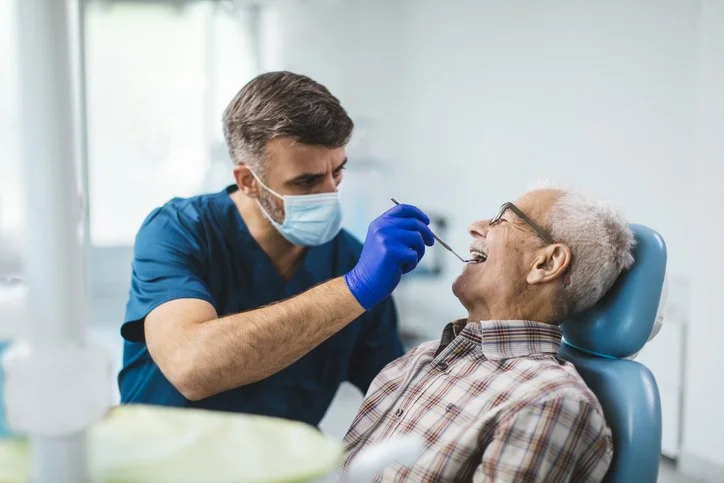
Why Oral Health Becomes More Important with Age
Good oral health supports much more than your smile. Healthy teeth and gums help with eating, speaking, and maintaining comfort, but they can also play a part in your wider wellbeing as you get older.
Research has found links between gum disease and conditions including heart disease and diabetes, while studies are also examining associations between poor oral health and cognitive decline, including dementia. These connections are complex, so gum disease shouldn't be described as a direct cause. However, keeping your gums healthy and managing inflammation is another good reason to make oral care part of looking after your overall health.
Regular brushing, interdental cleaning, dental check-ups, and hygiene appointments can all help keep gum disease under control and protect your mouth as you age.
Looking After Natural Teeth
Even if you've had very few dental problems over the years, maintaining a good oral hygiene routine remains essential.
We recommend brushing twice a day using fluoride toothpaste and a soft-bristled toothbrush. Cleaning between your teeth with floss or interdental brushes is equally important, as plaque tends to build up in areas your toothbrush can't reach.
Older fillings, crowns and bridges should also be checked regularly. Dental restorations can wear over time, and routine appointments allow us to monitor them before small issues become more significant.
Caring for Your Gums
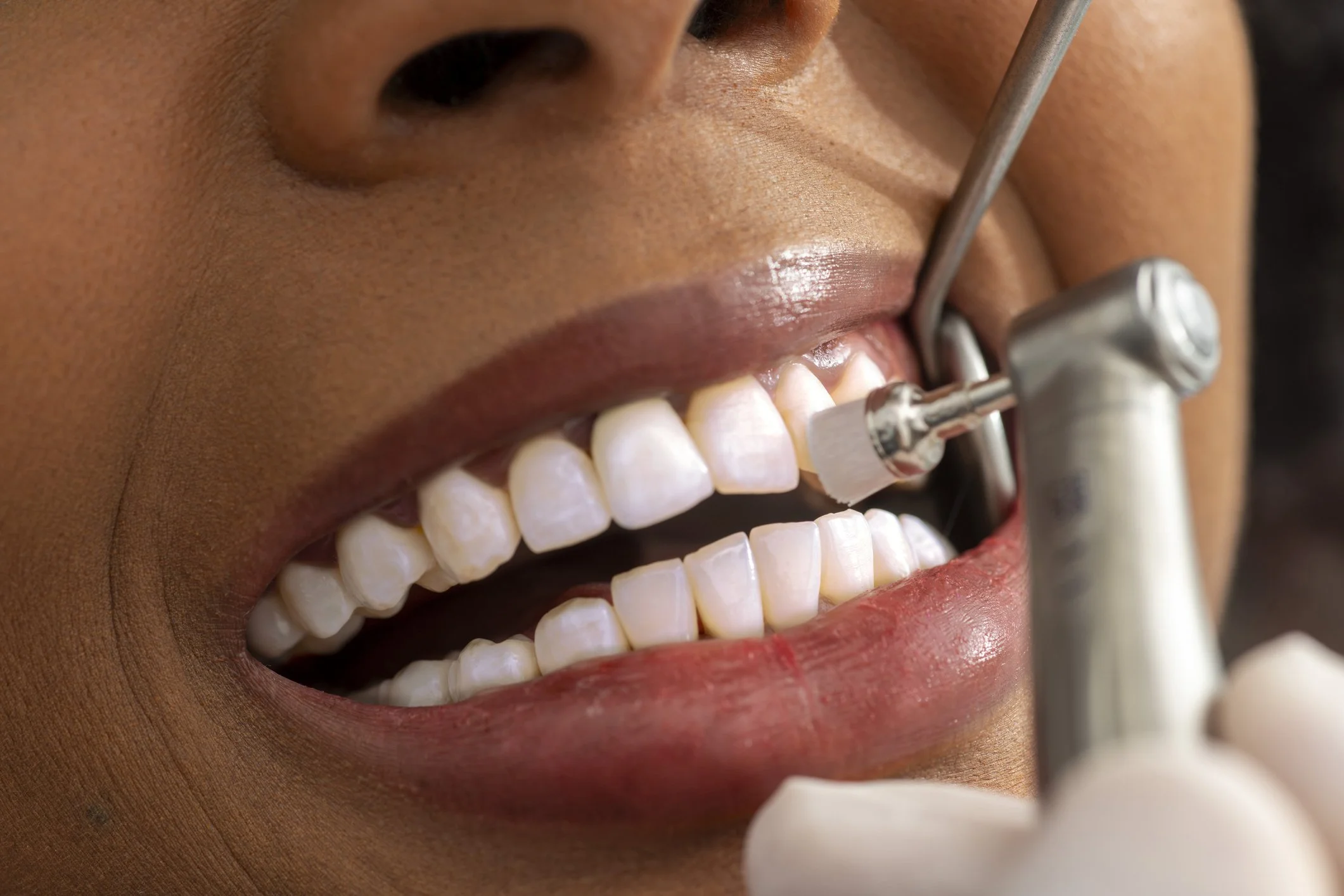
Why Gum Health Matters
Gum disease becomes more common with age, particularly if plaque is allowed to build up around the teeth. Early signs include bleeding gums, redness, tenderness, or persistent bad breath. Fortunately, these symptoms can often be managed successfully when identified early.
More advanced gum disease may lead to loose teeth and bone loss, making prevention especially important. Research also suggests that poor gum health may be linked with certain general health conditions, including heart disease, diabetes, and dementia. While gum disease doesn't directly cause these conditions, ongoing inflammation may contribute to worsening existing health problems. Looking after your gums is therefore an important part of supporting not only your oral health, but your overall wellbeing too.
Keeping Your Gums Healthy
Healthy gums rely on consistent daily care. Brushing gently along the gumline, cleaning between the teeth every day, and attending regular hygiene appointments all help reduce plaque and maintain healthy gum tissue.
If you notice bleeding when brushing, don't stop cleaning the area. Bleeding is often a sign of inflammation, and gentle daily cleaning usually helps improve it. If symptoms continue, it's important to arrange a dental examination.
Living Comfortably with Dentures
Dentures remain an excellent solution for many patients who have lost some or all of their teeth. Modern dentures are designed to look natural, improve chewing ability, and restore confidence when speaking and smiling.
It can take a little time to adjust to new dentures, particularly during the first few weeks. Reading aloud, eating softer foods initially, and wearing them consistently can all help you become accustomed to them more quickly.
Even if you wear full dentures, regular dental visits remain important. We check that your dentures continue to fit properly, examine your gums and soft tissues, and screen for any changes within the mouth.
Looking After Your Dentures
To keep dentures in good condition, we recommend:
● Cleaning them every day using a denture brush and appropriate cleaning products.
● Removing them overnight unless we've advised otherwise.
● Storing them safely when not in use.
● Bringing them to your dental appointments so we can check their fit and condition.
Over time, changes to the jawbone may affect how dentures fit. If they begin to feel loose or uncomfortable, it's important to have them assessed rather than attempting adjustments yourself.
Considering Dental Implants
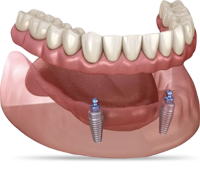
Dental implants have become a popular option for replacing missing teeth and are suitable for many older adults. Age itself isn't usually a barrier to implant treatment. Instead, we assess your overall health, gum condition, and the amount of available jawbone.
Implants provide a secure foundation for replacement teeth, helping restore chewing ability and confidence. Unlike removable dentures, they're fixed in place and feel much like natural teeth.
Many patients choose implants because they:
● Provide excellent stability while eating and speaking.
● Help maintain jawbone health.
● Look and feel natural.
● Can last for many years with good care.
Every patient is different, so we'll always carry out a detailed assessment before recommending implant treatment.
Managing Dry Mouth
Dry mouth is a common concern for older adults, often linked to medications or certain medical conditions. Without enough saliva, the mouth becomes more vulnerable to tooth decay, gum disease, and discomfort.
Simple ways to manage dry mouth include:
● Drinking water regularly throughout the day.
● Limiting sugary snacks and drinks.
● Chewing sugar-free gum if appropriate.
● Using saliva substitutes or specialist products if recommended.
If you're experiencing persistent dry mouth, let us know during your appointment so we can suggest suitable solutions.
Eating Well for Healthy Teeth
A balanced diet supports healthy teeth and gums at every age. Foods rich in calcium, vitamin D, and phosphorus help maintain strong teeth, while fresh vegetables and dairy products contribute to overall oral health.
Try to limit frequent sugary snacks and acidic drinks, as repeated exposure increases the risk of decay. Drinking water with meals and maintaining good oral hygiene afterwards can help reduce the effects of sugar and acid on your teeth.
If missing teeth or loose dentures are making eating difficult, please speak to us. There are often solutions that can make chewing more comfortable and enjoyable.
Regular Dental Visits Remain Essential
Some people assume they no longer need to visit the dentist if they wear full dentures. In reality, routine appointments remain just as important.
During your examination, we'll check:
● The health of your gums and soft tissues.
● The fit and condition of dentures.
● Existing fillings, crowns or bridges.
● Signs of tooth decay or gum disease.
● Changes that may require further investigation.
These visits allow us to identify concerns early, helping to maintain your comfort and oral health over the years.
FAQs About Oral Health for Seniors
-
Most patients benefit from regular check-ups every six to twelve months, although we'll recommend an interval that's appropriate for your individual needs.
-
Age alone doesn't prevent you from having dental implants. Suitability depends on your overall health, bone quality, and oral health rather than your age.
-
Bleeding gums are often an early sign of gum disease caused by plaque build-up. Daily cleaning and professional advice can usually help improve the condition.
-
In most cases, yes. Removing dentures overnight allows your gums to rest and makes it easier to keep both your dentures and mouth clean.
-
Drinking plenty of water, maintaining good oral hygiene, and discussing any medication-related side effects with your dentist can all help manage dry mouth effectively.
Maintaining Your Smile at Every Stage of Life
Looking after your oral health doesn't become less important as you get older – if anything, it becomes even more valuable. Whether you're caring for your natural teeth, adjusting to dentures, or considering dental implants, the right support can help you enjoy comfort, confidence, and good oral health for many years to come.
Regular dental care, good daily habits, and personalised advice make all the difference. If you have any concerns about your teeth, gums, or dentures, we're always here to help you find the most suitable solution for your needs.