

At The Walton Practice, we provide high-quality dental crowns in Tadworth, Surrey to restore strength, function and appearance to damaged or heavily filled teeth. From a single tooth to multiple restorations, every crown is carefully designed to blend with your natural smile and feel comfortable when you bite and chew.
Strong, natural-looking dental crowns in Walton on the Hill, Tadworth
A dental crown is a custom-made “cap” that fits over a prepared tooth, protecting it and rebuilding its shape. Crowns are often recommended when a tooth is too weak or damaged for a standard filling, or after root canal treatment, to help prevent further fracture.
At our contemporary family practice in Walton on the Hill, Tadworth, we use high-quality materials and careful planning to create crowns that look and feel like your own teeth. Whether you need to restore a back tooth for chewing or improve the appearance of a front tooth, we’ll design your crown around your bite, your smile and your long-term dental health.

When might you need a dental crown?
You may benefit from a dental crown if you have:
A tooth that is cracked, broken or severely worn.
A large filling and little natural tooth structure remaining.
A tooth that has been weakened after root canal treatment.
A misshapen or discoloured tooth that you’d like to improve.
A dental implant that needs a tooth-shaped restoration on top.
Sometimes crowns are used as part of a wider restorative or cosmetic plan, for example in combination with other cosmetic treatments or to support a bridge. We’ll always explain all your options so you can choose the solution that feels right for you.
What is a dental crown?
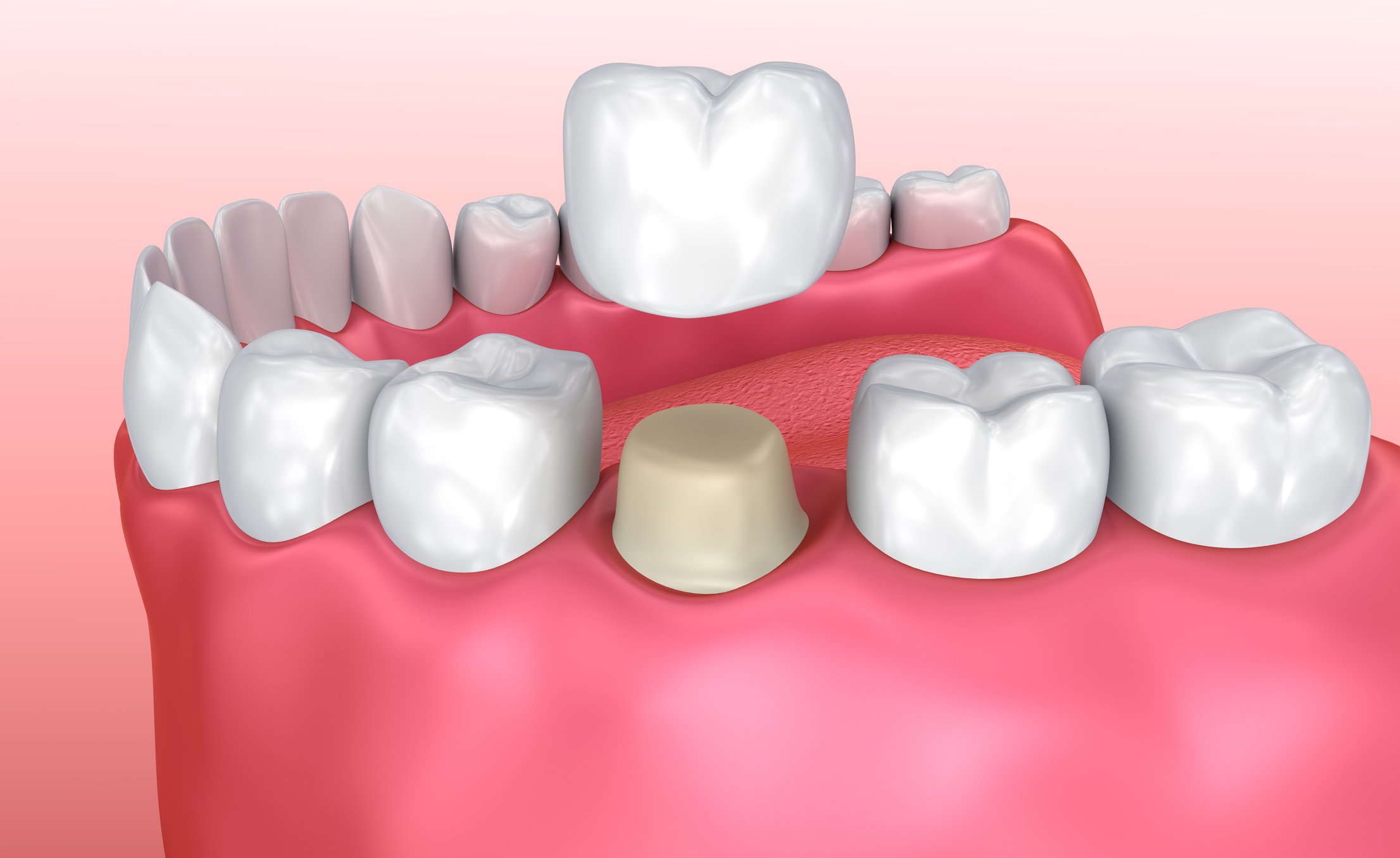
A dental crown is a tooth-shaped restoration that sits over your existing tooth, covering it above the gum line. Once fitted, it effectively becomes the new outer surface of the tooth.
Crowns can be made from different materials, including:
Tooth-coloured porcelain or ceramic for a highly natural appearance.
Porcelain fused to metal for strength and good aesthetics.
All-metal crowns (often used on back teeth where appearance is less critical).
We’ll discuss which type of crown best suits your tooth, your bite and your aesthetic preferences. Our aim is always to create a crown that feels secure and looks as close to a natural tooth as possible.
Benefits of dental crowns at The Walton Practice
Having your dental crowns in Walton on the Hill, Tadworth with a long-established, private practice means your care is thorough, personal and focused on long-term success. Benefits include:
Strength and protection – crowns help prevent further cracking or breaking of weakened teeth.
Natural appearance – tooth-coloured crowns can be matched to your existing teeth.
Improved comfort and function – restoring proper shape supports comfortable biting and chewing.
Versatility – crowns can be used to rebuild, reshape and improve the appearance of teeth.
Integrated care – as a full-service clinic, we can plan crowns alongside other treatments such as fillings, hygiene care and cosmetic dentistry.
We’ll take the time to explain what’s possible, answer your questions and ensure you feel confident about your treatment at every stage.
What to expect from dental crown treatment
Assessment and treatment planning
Your crown journey begins with a detailed examination at our Tadworth practice. During this visit, we will:
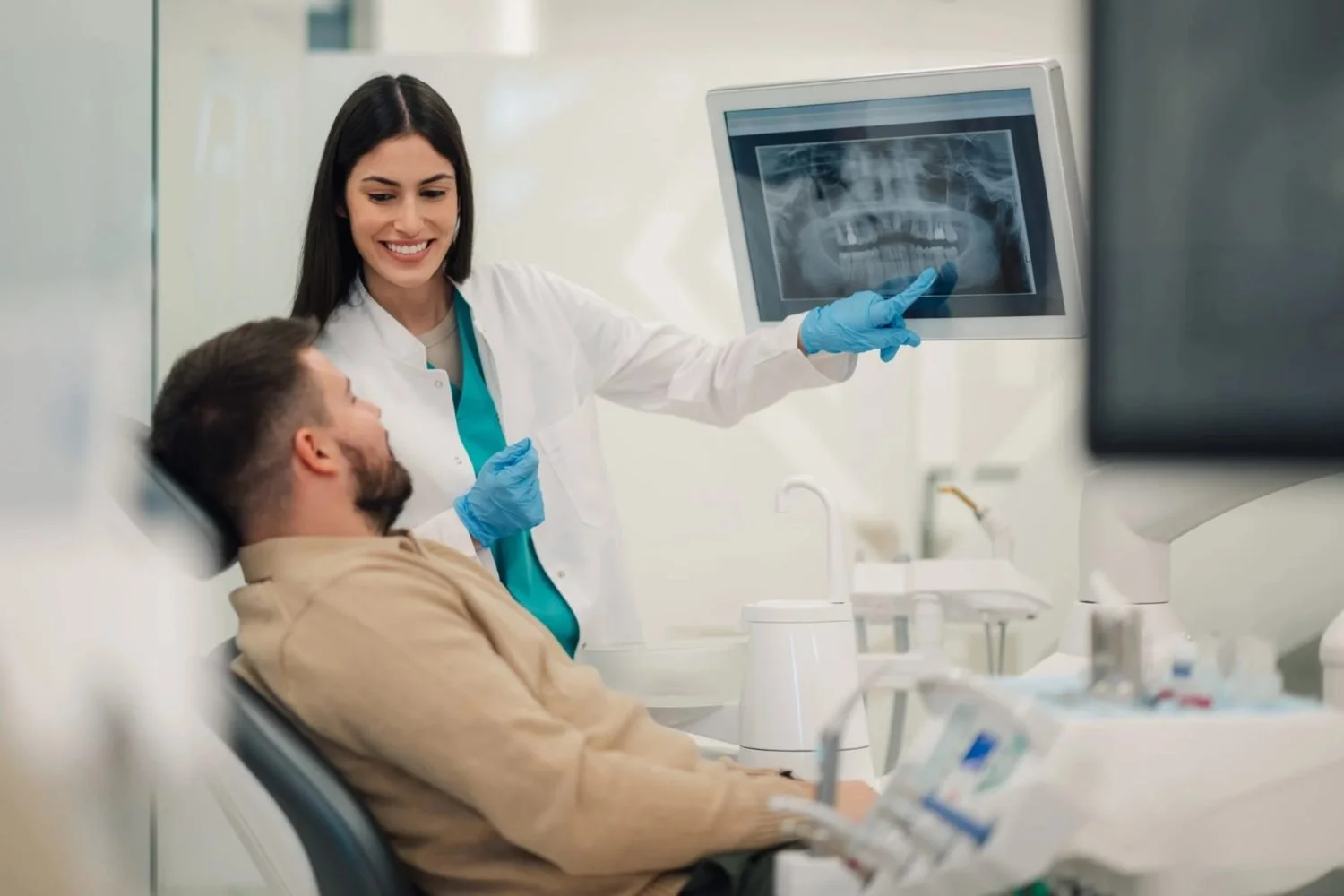
Assess the tooth and surrounding teeth, and take X-rays where needed.
Discuss any symptoms such as pain, sensitivity or difficulty chewing.
Explain whether a crown is the best option or whether alternatives, such as a large filling, onlay or other treatment, might be suitable.
Talk through crown material choices, expected longevity and costs.
If there are underlying issues such as decay or gum disease, we’ll address these first to make sure your tooth and surrounding tissues are healthy before placing a crown.

Preparing the tooth and taking impressions
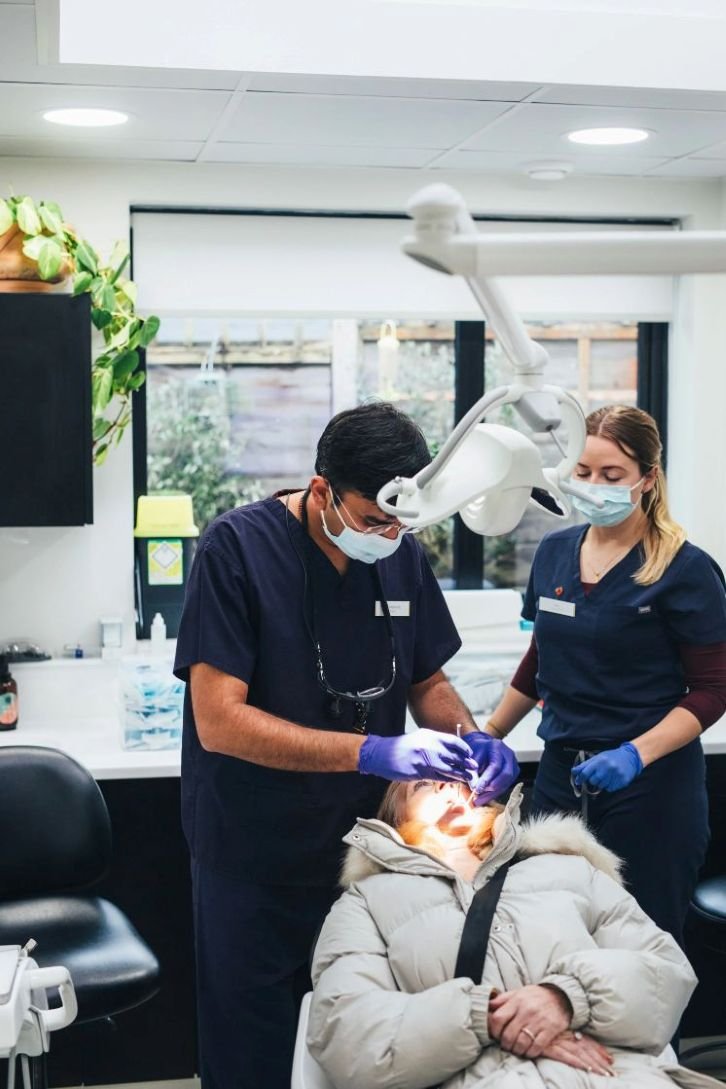
To make room for the crown, we’ll carefully reshape the tooth under local anaesthetic so you remain comfortable throughout. Once the tooth has been prepared, we’ll take impressions or digital scans so that a dental laboratory can craft your custom crown.
A temporary crown is usually fitted to protect the tooth while your permanent crown is being made. We’ll give you advice on how to look after the temporary and what to avoid chewing on that side until your final crown is placed.
Fitting your new crown
At your fitting appointment, we’ll remove the temporary crown and try in your new one. We’ll check:
The fit and contact with neighbouring teeth.
Your bite, to ensure you can close and chew comfortably.
The colour and shape, especially for front teeth, to match your smile.
Once you and your dentist are happy, the crown is permanently cemented in place. We’ll then make any final adjustments and polish it so it feels smooth and natural.
Crowns are a great long term solution to improve the appearance of your teeth and give them protection from wearing and breaking
“A protective helmet on your tooth”
Crowns are a cap which covers the entire tooth, including the sides and back and top. This makes them nice and strong. It’s like putting a protective helmet on your tooth, but a good looking one!
Looking after your dental crown
With good home care and regular dental visits, crowns can last many years. To help protect your crown and the tooth underneath, we recommend:
Brushing twice a day with fluoride toothpaste.
Cleaning between your teeth daily using floss or interdental brushes.
Attending regular check-ups and hygiene appointments.
Avoiding using your teeth to open packets or bite very hard objects.
Wearing a nightguard if you grind or clench your teeth.
Good gum health is particularly important for the longevity of crowns. Healthy gums help support the tooth and crown, and our hygiene and gum care services are here to help you maintain that.
Dental crowns and cosmetic dentistry
Dental crowns can form an important part of a wider cosmetic or restorative plan. For example, they may be combined with:
Teeth straightening using Invisalign in Tadworth to align your bite before restoring worn teeth.
Composite bonding to refine less damaged teeth alongside a crown.
A 6 month smile makeover that brings together alignment, whitening, bonding and crowns where needed.
Other cosmetic treatments such as veneers for a coordinated smile improvement.
If several teeth need rebuilding, we will sometimes use a mix of crowns, crowns for heavily damaged or root-treated teeth and other restorations to achieve a strong, natural-looking result.
Dental crowns cost in Tadworth, Surrey
The cost of dental crowns in Tadworth, Surrey depends on:
The type of crown material (for example, metal, porcelain-fused-to-metal, all-ceramic).
The position of the tooth and the complexity of the preparation.
Whether additional treatments, such as root canal therapy or build-up work, are required beforehand.
At The Walton Practice, we’ll always provide a clear treatment plan with fees before you start. You can also view our current guide fees on our main prices page. If you’re planning more extensive work, we can discuss staging your treatment to spread appointments and costs in a way that works for you.
Crown Cases
Happy patients’ before and after photos
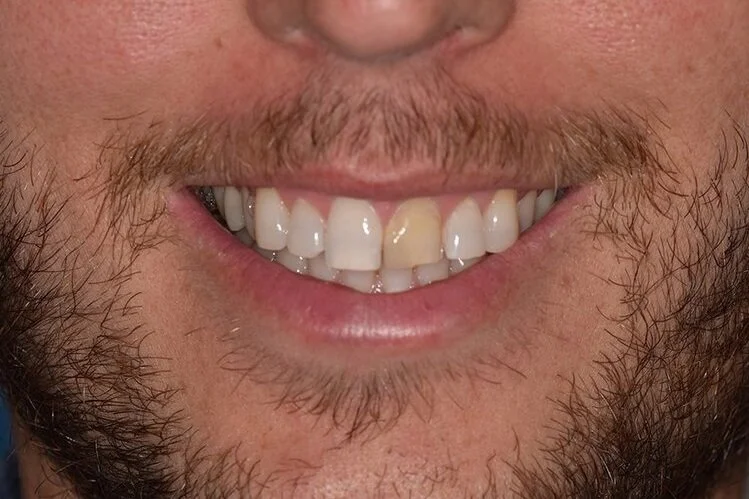
Before
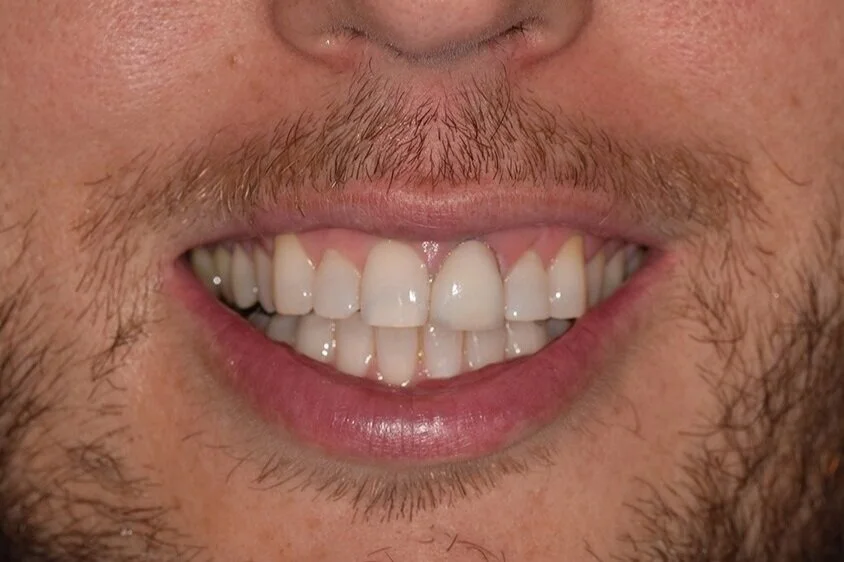
After
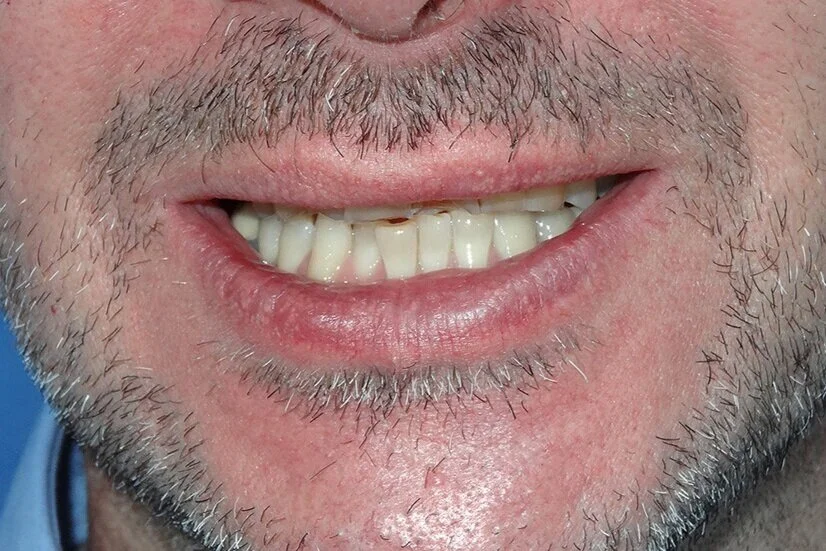
Before
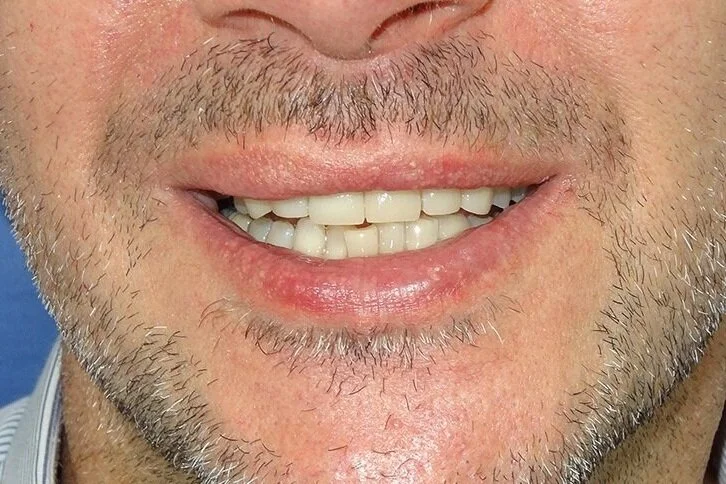
After
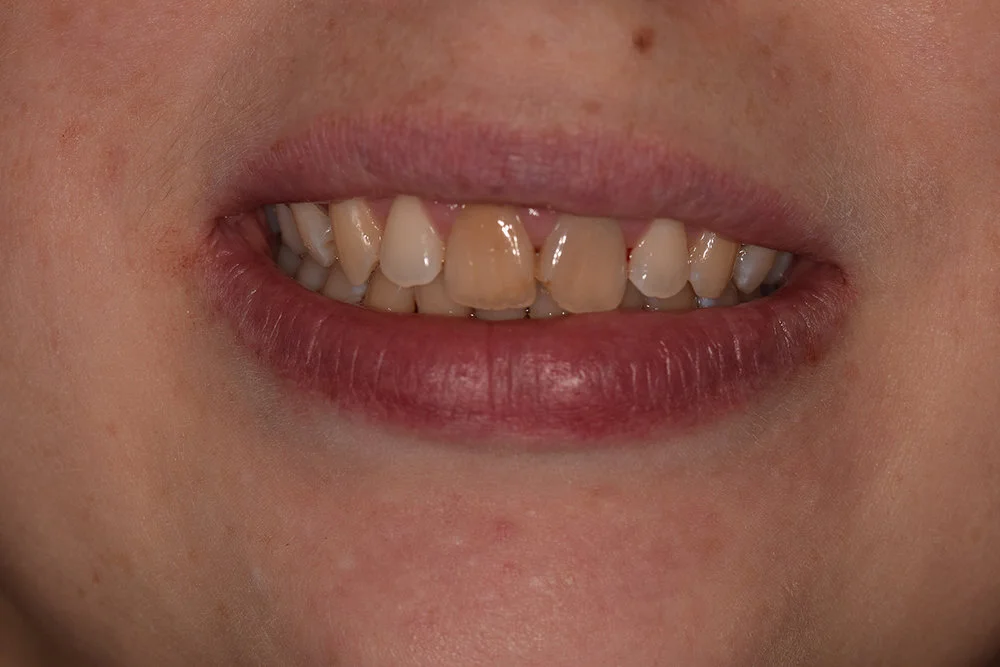
Before
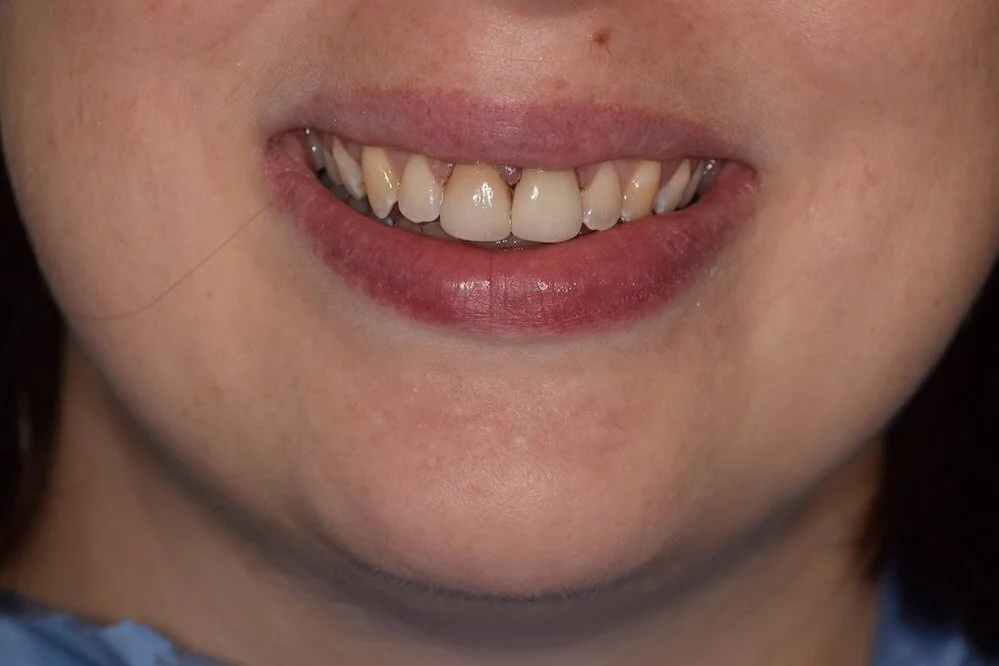
After
Ready to restore your tooth with a dental crown in Tadworth, Surrey?
If you’ve been told you might need a crown, or you have a broken, heavily filled or root-treated tooth you’re worried about, we’re here to help. Contact our friendly team at The Walton Practice in Walton on the Hill, Tadworth to arrange an appointment and find out whether a dental crown in Tadworth, Surrey is the right solution for you.
FAQs on dental crowns
-
The procedure is carried out under local anaesthetic, so you shouldn’t feel pain while the tooth is being prepared. You may feel some pressure or vibration, and the tooth can feel a little tender afterwards, but this usually settles quickly and can be managed with routine pain relief if needed.
-
With good oral hygiene and regular dental visits, crowns often last many years. Their lifespan depends on factors such as the material used, your bite, whether you grind your teeth and how well you care for your gums and remaining teeth. We’ll check your crowns at each check-up and let you know if any maintenance is needed.
-
Modern ceramic and porcelain crowns are designed to blend seamlessly with your natural teeth. We’ll carefully match the shade and shape to your existing smile, particularly for front teeth, so that most people won’t be able to tell you have a crown.
-
A filling repairs a smaller area of damage within the tooth, whereas a crown covers and protects the entire visible surface above the gum line. If a tooth is heavily filled, cracked or structurally weak, a crown is often the more reliable long-term option.
-
Yes. Crowns can improve both the function and appearance of teeth, and they’re often used alongside treatments like Invisalign in Tadworth, composite bonding, 6 month smile makeovers and other cosmetic treatments. We’ll help you decide whether a crown, veneer, bonding or another option is best for each tooth.