Treatments:
Missing Teeth Treatment in Walton on the Hill, Tadworth
Explore treatments for missing teeth at The Walton Practice near Tadworth, Surrey, including dental implants, bridges and dentures. Book a consultation.

Explore treatments for missing teeth at The Walton Practice near Tadworth, Surrey, including dental implants, bridges and dentures. Book a consultation.
Missing teeth can affect much more than your smile. They can make eating and speaking more difficult, change the way your bite functions, and gradually impact your confidence. Whether you've lost a tooth recently or have been living with missing teeth for many years, we're here to help you find the most suitable solution. At our practice in Walton on the Hill, Tadworth, we provide personalised treatment plans to restore your smile with comfortable, natural-looking results.
Every patient is different, which is why we never recommend the same solution for everyone. During your consultation, we'll carefully assess your oral health, discuss your goals, and explain the treatment options available. Our aim is to help you make an informed decision based on your lifestyle, budget, and long-term dental health.
Patients travel to us from Tadworth, Walton on the Hill, and across Surrey because they value our thoughtful approach, clinical experience, and commitment to providing lasting solutions for missing teeth.
Many people assume they can simply live with a missing tooth, particularly if it's towards the back of the mouth. However, replacing missing teeth often helps protect your overall oral health.
When a tooth is lost, neighbouring teeth can gradually drift into the space, affecting your bite and making cleaning more difficult. Over time, the jawbone beneath the missing tooth can also shrink because it is no longer being stimulated by the tooth root. This can alter facial appearance and make future treatment more complex.
Replacing missing teeth can help to:
Restore your ability to chew comfortably
Improve speech where gaps affect pronunciation
Prevent neighbouring teeth from moving
Support the health of your jawbone
Improve the appearance of your smile
Increase confidence in social and professional situations
Our role is to help you understand the advantages of each option so you can choose what's right for you.
Replacing a tooth with a single implant and implant-supported crown is well documented. It is the closest thing to your own tooth that you could get. ‘Tooth-for-tooth’ replacement which doesn't affect your other natural teeth and doesn't cover any of your gums or palate like other options might. The effectiveness is in the detail and skill and experience has a huge effect on the outcome, something we have in abundance at The Walton Practice.
Dentures are a good option when a number of teeth in a row, or in different positions in the mouth need replacing. There are different types of denture depending on your needs and budget. Come in to chat to our in-house denture technician about which type might be suitable for you.
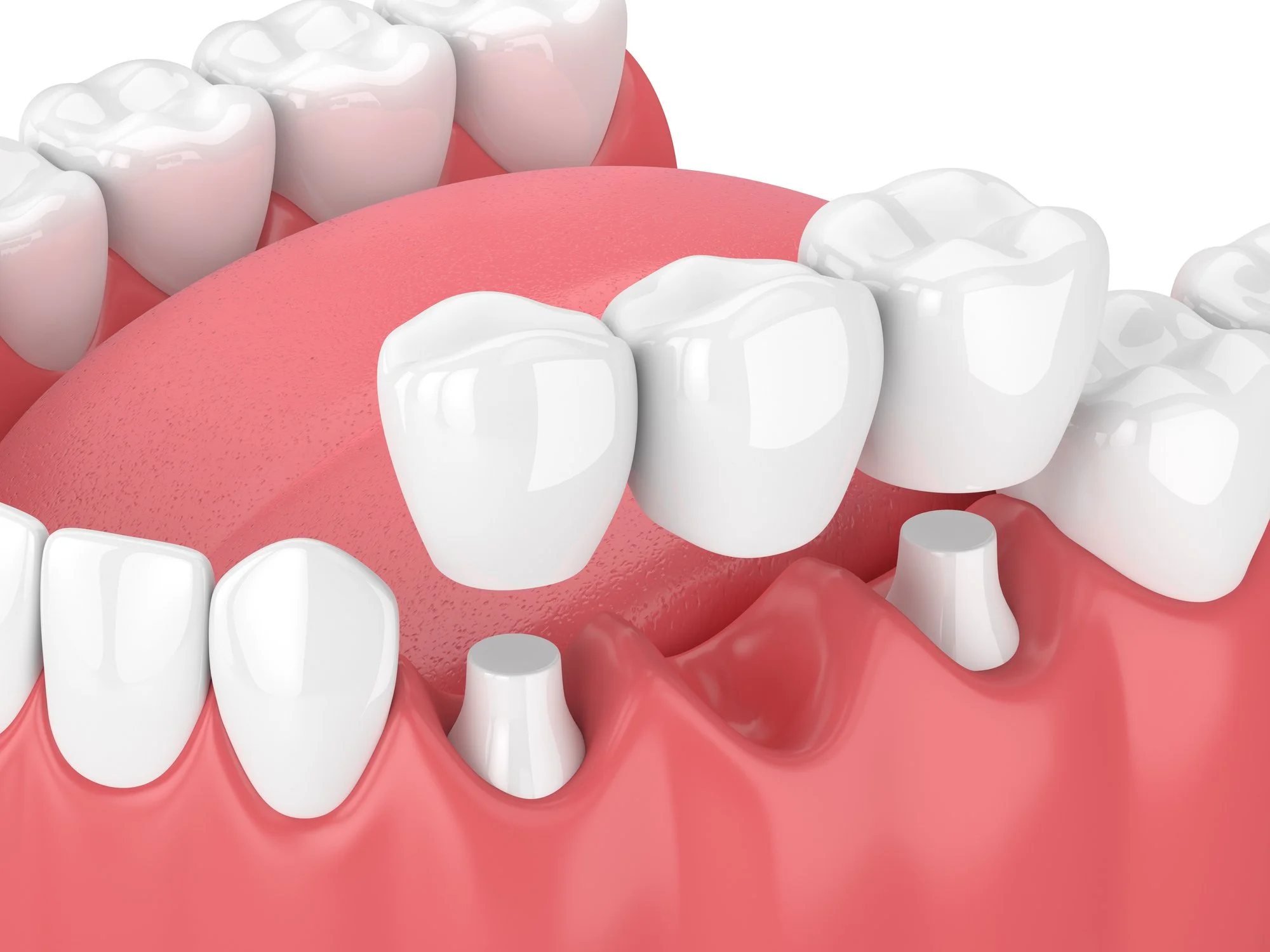
If there are healthy teeth surrounding a gap, we can use them to ‘bridge the gap’ by holding a replacement tooth in place. There are different types of bridges for different circumstances, and all are stuck in permanently so no need to take them out at any time or have bulky accessories around your other teeth to help keep them in. At The Walton Practice we plan the treatment seamlessly from the outset to ensure the best end result.
With implants in place securing the denture into your mouth, this is a great way to replace multiple teeth without the expense of full mouth implants. Depending on your bone levels, you can have 2 or 4 implants placed, which the denture then clips onto, ensuring it won’t move around at all while you’re speaking and eating.
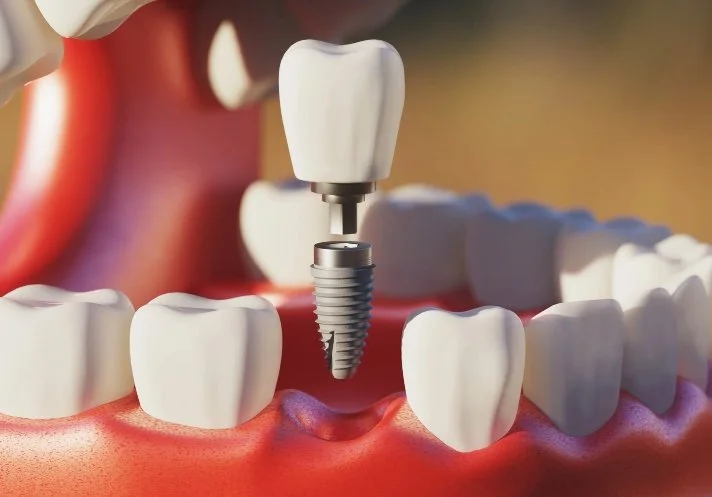
Losing one tooth may seem like a minor issue, but even a single gap can affect your bite and place additional pressure on surrounding teeth.
Depending on your oral health, we may recommend:
A single dental implant
A dental bridge
A removable partial denture
We'll explain the advantages and considerations of each option so you can choose the treatment that best fits your needs.
Patients missing several teeth often benefit from more comprehensive treatment planning. We consider factors such as your remaining teeth, gum health, jawbone support, and long-term expectations before making recommendations.
Options may include:
Multiple dental implants
Implant-supported bridges
Implant-retained dentures
Conventional dentures
Our aim is always to restore comfortable function while creating a smile that looks natural and complements your facial features.
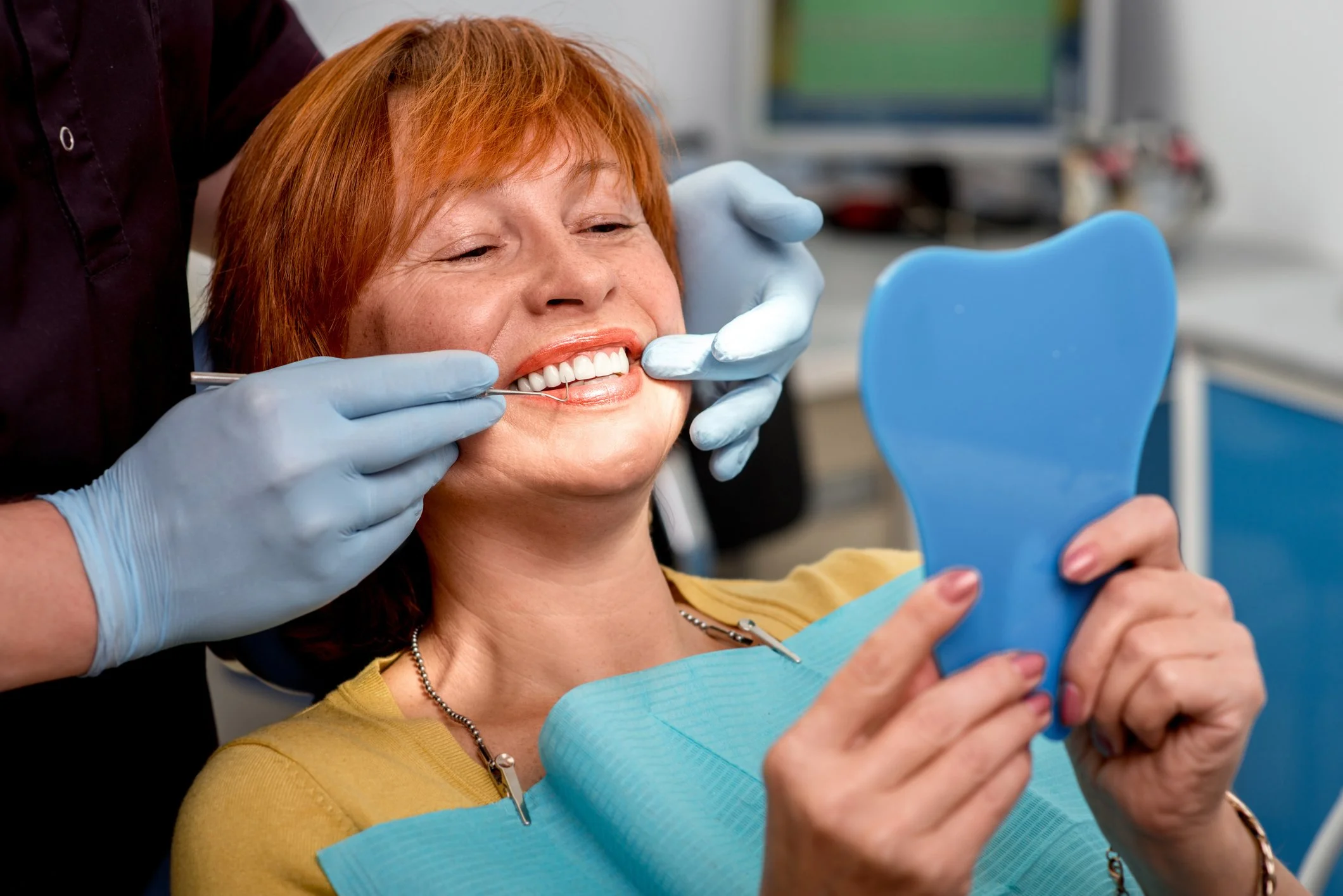
Whatever replacement option you choose, ongoing care is essential for maintaining your oral health.
We recommend:
Regular dental check-ups
Professional dental hygiene appointments
Daily brushing and cleaning between teeth
Following the care advice we provide after treatment
With good maintenance, many tooth replacement solutions can provide excellent function and appearance for many years.
The most suitable treatment depends on your oral health, the number of missing teeth, your jawbone condition, and your personal preferences. Dental implants are often considered the closest replacement to a natural tooth, but bridges and dentures can also provide excellent results. We'll explain all suitable options during your consultation.
In many cases, it's beneficial to replace a missing tooth sooner rather than later. Delaying treatment can allow neighbouring teeth to move and may lead to gradual jawbone loss. We'll assess your situation and advise on the most appropriate timing.
Many patients who have lived with missing teeth for a long time are still suitable for implants. We'll assess your jawbone using clinical examination and imaging to determine whether implants are appropriate or whether additional treatment may be beneficial beforehand.
Yes. Whether you choose implants, bridges or dentures, we carefully plan your treatment to create natural-looking results that suit your facial features, smile, and existing teeth.
Once treatment is complete and healing has taken place, most patients are able to enjoy a much wider range of foods comfortably. Dental implants in particular provide excellent stability for eating and speaking.
