
What to Expect When Getting Dental Implants: Timeline, Care, and Long-Term Benefits
Choosing dental implants is a major step towards restoring both the function and appearance of your smile. Whether you’ve lost a single tooth or several, implants offer a reliable, long-term solution that feels and functions much like natural teeth. But if you’re considering this treatment, it’s completely normal to have questions. What’s the timeline like? Is it painful? How do you care for them? And are they really worth it in the long run?
We’ve helped many of our patients through the full dental implant journey – from the initial consultation to the final fitting. In this guide, we’ll walk you through exactly what to expect at each stage, what the recovery involves, and the lasting benefits you can look forward to once treatment is complete.
What Are Dental Implants?

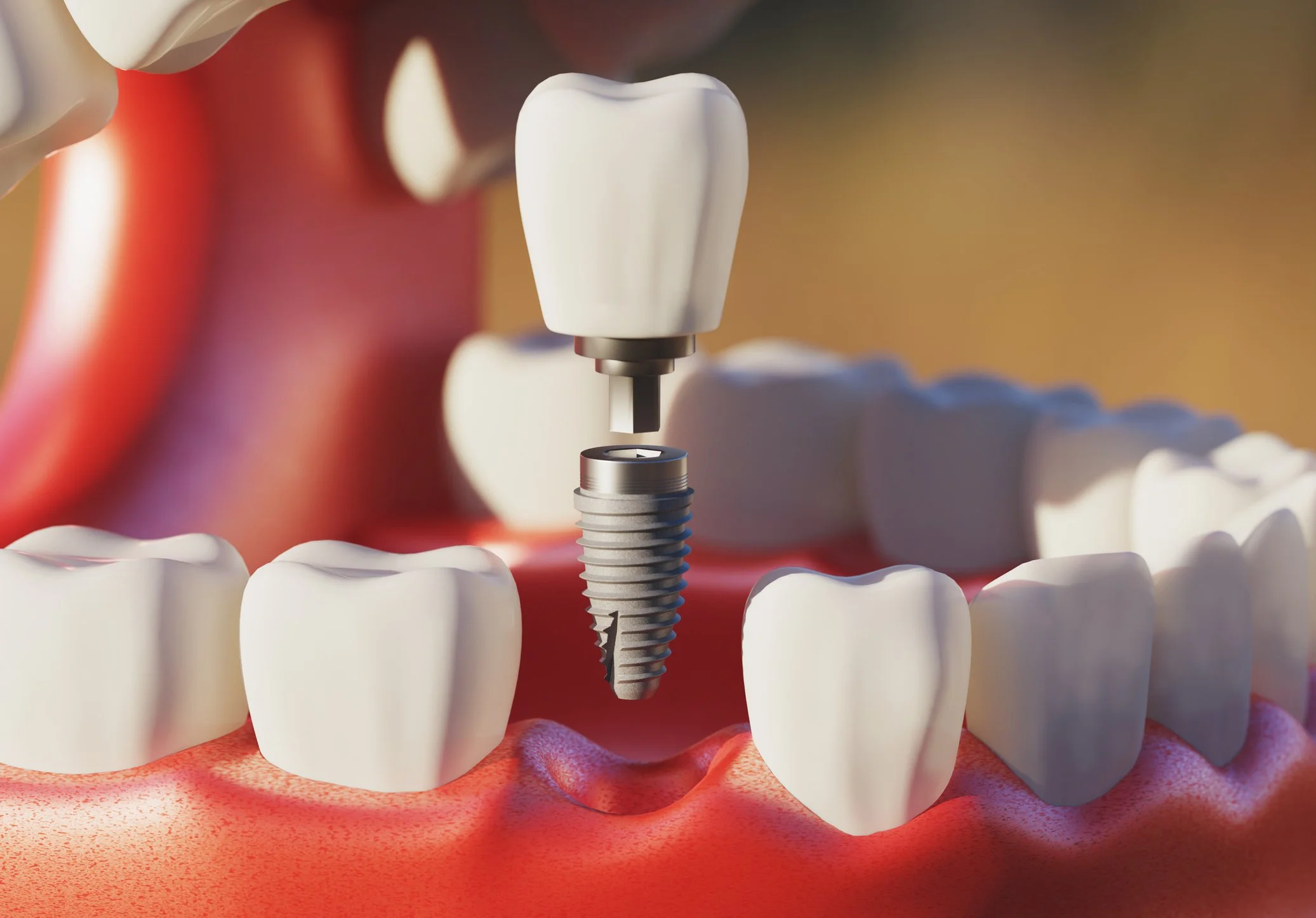
A dental implant is essentially a small titanium screw that replaces the root of a missing tooth. It’s placed directly into the jawbone and, once healed, provides a strong foundation for a crown, bridge, or even full dentures. The result is a tooth replacement that looks and feels remarkably natural.
You can learn more about how we carry out implant treatment by visiting our dedicated Dental Implants page.
The Dental Implant Timeline
Step 1: Consultation and Planning
The process begins with a detailed consultation. We assess your overall oral health, discuss your goals, and determine if implants are suitable for you. We’ll usually take digital X-rays or scans to examine the bone structure and identify the best placement sites.
If you’re a suitable candidate, we’ll provide a personalised treatment plan, explain the costs involved, and talk you through each stage so you know what to expect.
Step 2: Implant Placement Surgery
The implant is placed under local anaesthetic, and most patients describe the procedure as more comfortable than they expected. It’s carried out with great precision, and you’ll be able to go home the same day. Any mild discomfort afterwards can usually be managed with over-the-counter pain relief.
If bone grafting is needed (for example, if you’ve experienced bone loss in the jaw), this may be done beforehand or at the same time, depending on the case.
Step 3: Healing and Osseointegration
After placement, your implant needs time to integrate with the bone – a process known as osseointegration. This typically takes between 8 to 12 weeks, although it can be slightly longer in some cases. During this period, the implant becomes securely anchored in place, forming a stable base for the final tooth.
We may fit a temporary restoration during healing to keep your smile looking complete and maintain function.
Step 4: Fitting the Final Restoration
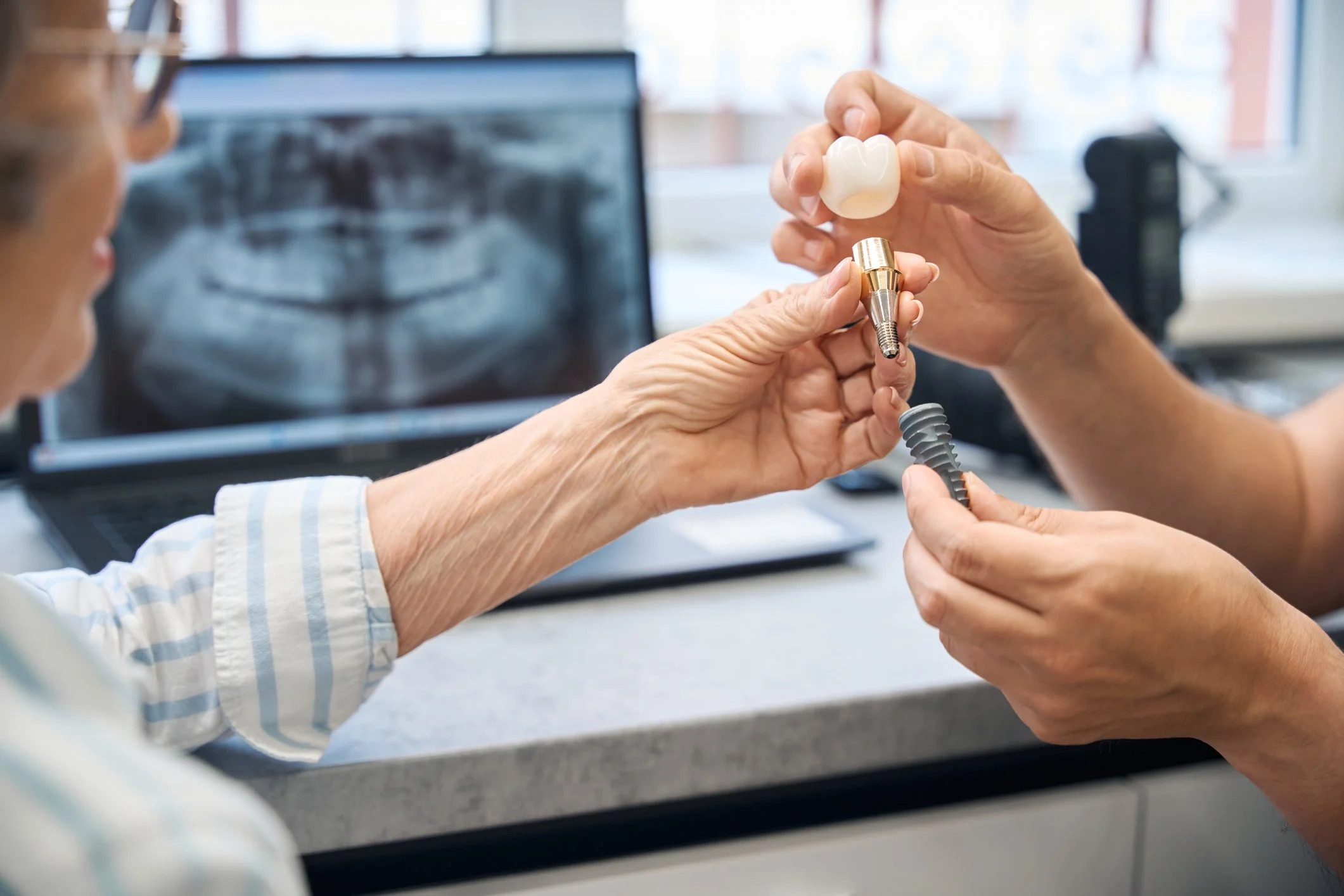
Once the implant has successfully bonded with your jawbone, we attach an abutment (a small connector), followed by your custom-made crown, bridge, or denture. The final result looks just like a natural tooth, matched in shape and colour to blend seamlessly with your existing teeth.
Aftercare: Looking After Your Dental Implants
Dental implants are low-maintenance compared to other tooth replacement options, but they still require good oral hygiene and regular check-ups to stay in top condition.
We recommend:
Brushing twice a day with a soft toothbrush
Using floss or interdental brushes daily
Attending routine dental check-ups and hygiene appointments
Avoiding smoking, which can affect healing and long-term success
Letting us know if you grind your teeth, as this can put extra pressure on the implant
With the right care, implants can last for many years – often decades – without the need for replacement.
Long-Term Benefits of Dental Implants
Natural Look and Feel
One of the standout benefits of implants is how natural they feel. Unlike removable options like dentures, implants are fixed in place, so you can eat, speak and smile with total confidence. Many of our patients say they forget they even have one.
Prevents Bone Loss
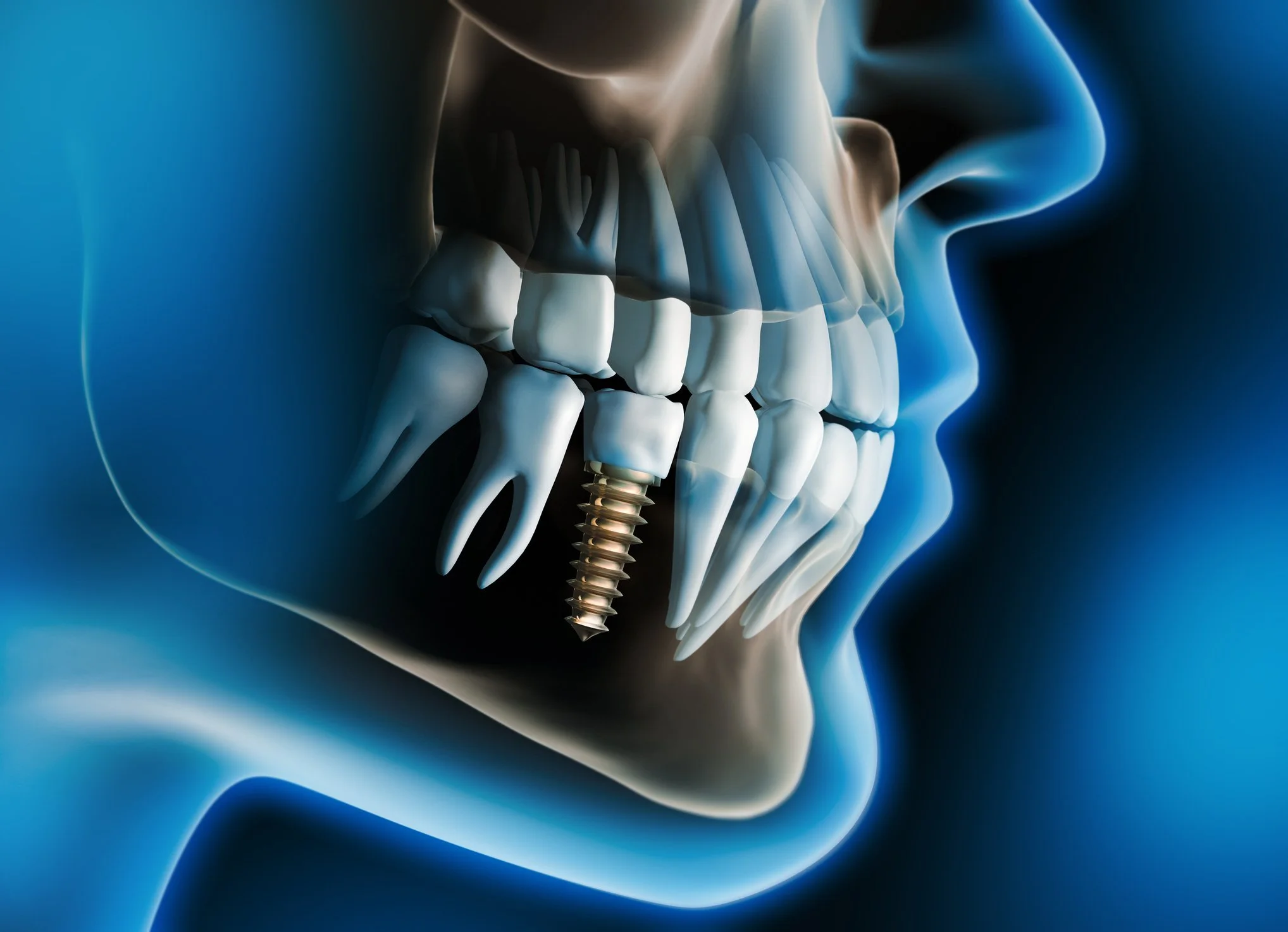
When a tooth is lost, the jawbone in that area can begin to shrink over time due to lack of stimulation. Implants are the only tooth replacement option that actively preserves bone by mimicking the function of a natural tooth root.
Long-Lasting and Durable
Dental implants are built to last. While crowns and bridges may eventually need replacement due to normal wear, the implant itself – the titanium screw – can remain in place for life with proper care.
Improved Oral Health
Unlike bridges, which may require adjacent teeth to be filed down, implants don’t affect healthy neighbouring teeth. They also make it easier to maintain good oral hygiene, reducing the risk of decay or gum problems around the treated area.
Better Quality of Life
From enjoying meals to smiling in photos, the confidence that comes with stable, natural-looking teeth is hard to put a price on. We regularly hear from patients who say implants have improved not just their oral health but their overall wellbeing.
Is Everyone Suitable for Dental Implants?
Most people in good general and oral health are suitable candidates, but there are a few exceptions. You may need additional preparation (like bone grafting) if you’ve experienced bone loss, and we’ll always assess this carefully during your consultation.
Certain medical conditions, medications, or lifestyle factors (such as heavy smoking or untreated gum disease) can affect healing. But even if you’re not a candidate straight away, there may still be options available.
We’ll give you a clear, honest assessment so you can make an informed decision.
FAQs About Dental Implants
Are dental implants painful?
Implant placement is carried out under local anaesthetic, and most patients report minimal discomfort during the procedure. Afterward, mild soreness or swelling is normal but short-lived.
How long does the full implant process take?
From initial consultation to final fitting, the full process typically takes 3 to 6 months, depending on your treatment needs and healing time.
How much do dental implants cost?
Costs vary based on the number of implants, the type of restoration used, and any additional procedures required. We'll provide a full breakdown during your consultation, so there are no surprises. View our prices.
Do implants need special cleaning?
No – you care for implants just like natural teeth: regular brushing, flossing, and dental visits are key. We may recommend specific cleaning tools to help maintain your implant more effectively.
Can I replace more than one tooth?
Yes. Implants can support single teeth, multiple teeth with a bridge, or even full sets using implant-retained dentures. We’ll advise on the best approach for your needs.
Ready to Take the Next Step?
If you’re considering dental implants, the best place to start is with a consultation. We’ll assess your oral health, talk through your options, and explain everything clearly – no pressure, just honest advice based on experience.
You can learn more about our dental implant treatments, or contact us to book an appointment. We’re here to help you regain your confidence, your bite, and your smile.